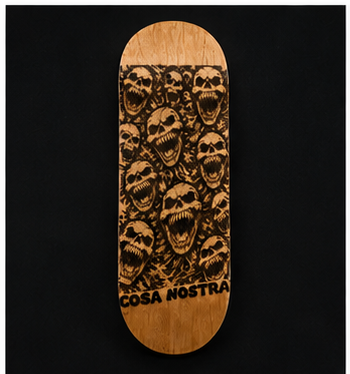
Fingerboards (also called mini skateboards or tech decks in their entry-level form) are a precision hobby. “Tuning” refers to customizing and optimizing components like decks, trucks, bushings, wheels, and grip tape. These adjustments dramatically affect how the board feels, flips, grinds, turns, and lands. A well-tuned setup can transform a clunky toy into a responsive tool for technical tricks, while poor choices lead to frustration.
1. Deck Shape, Concave & Kicks
The deck is the foundation. Key variables include width (typically 29–34mm), concave (the U-shaped curve across the width), and kicks (nose/tail rise angle and height).
| Configuration | Positives | Negatives |
|---|---|---|
| High/Deep Concave + High Kicks | Excellent for street/technical skating — precise finger placement, powerful ollies, consistent rotations. | Can feel restrictive for park/transition riding; harder for beginners. |
| Medium/Low Concave + Mellow Kicks | Smoother carving, easier manuals and grinds, more forgiving for long lines. | Less lock-in leads to slips during high flips; reduced pop power. |
Pro Tip: Wider decks (34mm) feel more stable like a real skateboard; narrower ones flip quicker but demand precision.
2. Trucks & Kingpin Tension
Trucks hold the wheels and determine turning. Tuning mainly involves kingpin nut tightness and component selection.
| Configuration | Positives | Negatives |
|---|---|---|
| Loose Trucks | Fluid turning, smoother carves, easier manuals and transitions. Great for flowy styles. | Reduced stability on ledges/grinds, wobble on landings, inconsistent flips. |
| Tight Trucks | High stability for precise grinds, ledge work, and landings. Better control in technical flatground. | Stiff turning resists smooth carves; can feel “dead” for park riding. |
Advanced Tuning: Use washers (top/bottom) to adjust compression, pivot cups for rebound quality, and O-rings for fine feel. Brands like Blackriver, Dynamic, or Teak offer pro trucks that outperform stock Tech Deck ones significantly.
3. Bushings — The Heart of Truck Feel
Bushings (urethane or similar) sit around the kingpin and control rebound and resistance. Durometer ratings matter — lower numbers (softer, e.g., 51A) vs. higher (harder, e.g., 71A+).
| Durometer | Positives | Negatives |
|---|---|---|
| Soft (51A–61A) | Super responsive, lively rebound, maximum turnability. Ideal for loose setups. | Quick wear, excessive wobble if overdone, less precision under pressure. |
| Hard (71A+) | Crisp response, better stability, longer life. Supports tighter, more controlled riding. | Can feel too stiff and reduce flow if mismatched with riding style. |
Bubble or cone/barrel shapes also influence this — experiment with mixing top/bottom bushings.
4. Wheels: Material, Size, Durometer & Bearings
| Wheel Type | Positives | Negatives |
|---|---|---|
| Urethane (Pro Level) | Smoother roll, better grip/slide balance, quieter, more realistic feel. | More expensive; some soft formulas wear faster. |
| Soft Durometer (≤65D) | More grip for manuals, better on rough surfaces, forgiving landings. | Slower slides, can feel “mushy” for tech tricks. |
| Hard Durometer (72D+) | Fast slides, crisp pop, durable for street/ledges. . | Less grip, harsher on landings, can be slippery. |
Other Factors: Narrower wheels + centered bearings = quicker flips. Wider/taller wheels = more stability and pop. Dual-durometer wheels combine a hard core with soft outer for balanced performance.
5. Grip Tape
| Type | Positives | Negatives |
|---|---|---|
| Standard Grip | Maximum control for flips and slides. | Can wear fingers; too aggressive for some flow styles. |
| Foam/Softer Grip | Comfortable for long sessions, good for park/flow. | Slightly less precise lock-in for technical tricks. |
Overall Setup Recommendations by Style
| Style | Recommended Tuning | Key Benefits | Potential Drawbacks |
|---|---|---|---|
| Technical/Street | Medium-tight trucks, harder bushings, high concave deck, harder wheels | Precision, stability, pop | Less flowy |
| Park/Transition | Looser trucks, softer bushings, mellow deck, grippier wheels | Smooth carves, forgiveness | Reduced ledge control |
| All-Around/Beginner | Balanced medium setup, pro wheels & trucks | Versatile, easy to learn | Not optimized for extremes |
| Cruiser/Manuals | Soft wheels, loose trucks, wider deck | Comfort, roll speed | Weaker for flips |
Final Thoughts: Experiment and Iterate
The best tuning is personal — what feels amazing for one rider might frustrate another. Start with quality base components (e.g., wooden pro decks, bearing wheels, good trucks), then tweak one thing at a time: kingpin tension first, then bushings, then wheels.
Small changes yield big results. Clean your setup regularly, replace worn bushings, and don’t be afraid to try different combinations. Whether you’re a beginner upgrading from a Tech Deck or a seasoned fingerboarder chasing pro-level performance, thoughtful tuning turns fingerboarding into an addictive, skill-building pursuit.
What’s your current setup? Drop your favorite tuning tips in the comments! Keep rolling. 🛹