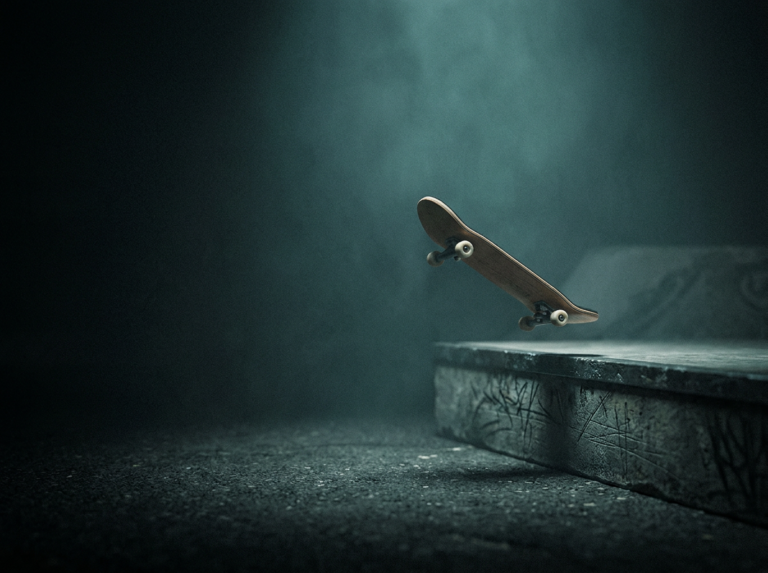
Fingerboarding’s New Era: Why the Future Has Never Looked Brighter
For years, fingerboarding carried a reputation it never truly deserved.
Some outsiders dismissed it as a niche hobby, misunderstood it as a toy, or associated it with a small “geek culture” that never accurately reflected the people who were actually pushing the scene forward. But something remarkable has happened over the past few years: fingerboarding has evolved, matured, and entered a completely new era.
Today, fingerboarding is experiencing a surge in popularity unlike anything we’ve seen before.
The community is larger, more creative, and more diverse than ever. New riders are discovering the hobby daily, while experienced fingerboarders continue to push the limits of what can be achieved with a tiny wooden deck. Social media has helped showcase incredible skill levels, innovative obstacles, and beautifully crafted setups that rival the customization found in full-sized skateboarding.
Perhaps the biggest shift has been the growing appreciation for craftsmanship.
Not long ago, mass-produced fingerboards dominated the market. They were accessible and helped introduce countless people to the hobby, but they often lacked the attention to detail that serious riders were seeking. As the scene has grown, so has the demand for something more personal.
Custom fingerboards are now at the heart of the movement.
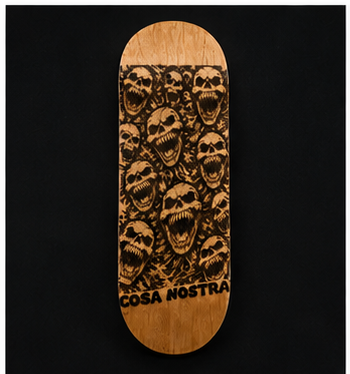
Riders are looking beyond large-scale brands and discovering the incredible work being done by small independent makers. These companies aren’t producing thousands of identical decks on automated production lines. Instead, they’re carefully selecting materials, refining shapes, testing new constructions, and dedicating genuine passion to every board they create.
When someone purchases a custom deck today, they’re often buying directly from the person who designed it, pressed it, shaped it, and finished it by hand. That connection between maker and rider has become one of the most exciting aspects of modern fingerboarding.
As a result, a fingerboard has become much more than a piece of sporting equipment.
A well-built setup has become a form of self-expression. Riders spend time choosing the perfect deck shape, wheel setup, trucks, graphics, and accessories that reflect their personality and style. Just as skateboarders take pride in their full-sized setups, fingerboarders are increasingly building collections that showcase their tastes and preferences.
In many ways, premium fingerboards have become a status symbol within the community—not because of price alone, but because they represent quality, individuality, and an appreciation for craftsmanship.
What’s especially encouraging is that this growth hasn’t come at the expense of community spirit.
The fingerboarding world remains welcoming, creative, and supportive. New companies are appearing every year. Builders are experimenting with fresh ideas. Events are attracting larger crowds. Local scenes are forming in places that previously had little or no fingerboard presence. Every sign points toward continued growth.
The most exciting part is that we’re still only scratching the surface.
As more people discover fingerboarding, demand for high-quality custom products will continue to rise. Independent builders who focus on quality, innovation, and customer experience are perfectly positioned to thrive. Riders are becoming more educated about materials, construction methods, and performance characteristics, creating a market that increasingly values craftsmanship over mass production.
The result is a healthier, more vibrant scene for everyone involved.
Fingerboarding has shed many of the outdated stereotypes that once followed it. It is now recognized for what it truly is: a creative hobby, a skill-based activity, an artistic outlet, and a passionate global community built around craftsmanship and innovation.
The future is bright.
In fact, it may be brighter than it has ever been.
As custom builders continue to raise the standard, riders continue to demand quality,